Skip to content
Pixnut

AI creative · Judgment creates value

AI-assisted creative production, directed and finished by people.

AI lets us explore many more directions before committing to one. What ships is still chosen, refined and approved by people who know the brand.

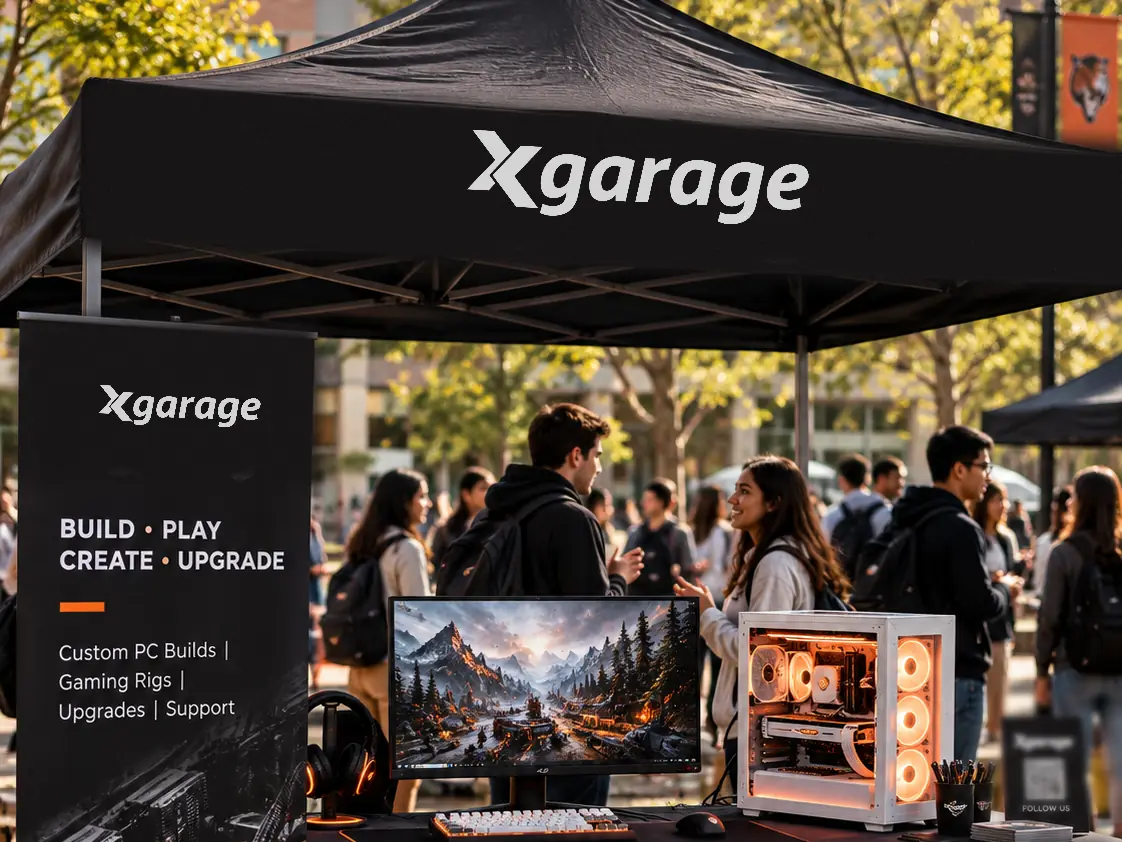
XGarage campus campaign concept: a pop-up stand on a campus, with the wordmark on a black gazebo, a roll-up banner and a gaming PC
XGarage. Campus campaign concept.

For brands

From the brief to the brand.

AI is useful to a brand only when what it makes still looks, reads and behaves like that brand.

01XGarage

Campus campaign concept.

The briefHow far XGarage’s identity could stretch in a campaign aimed at students: a branded campus pop-up and promotional standees.

  1. Creative direction

    The identity’s own black, white and orange, the italic X-led wordmark, and the language of custom PC builds.

  2. Campaign application

    A campus pop-up and a roll-up banner, art-directed to the master logo.
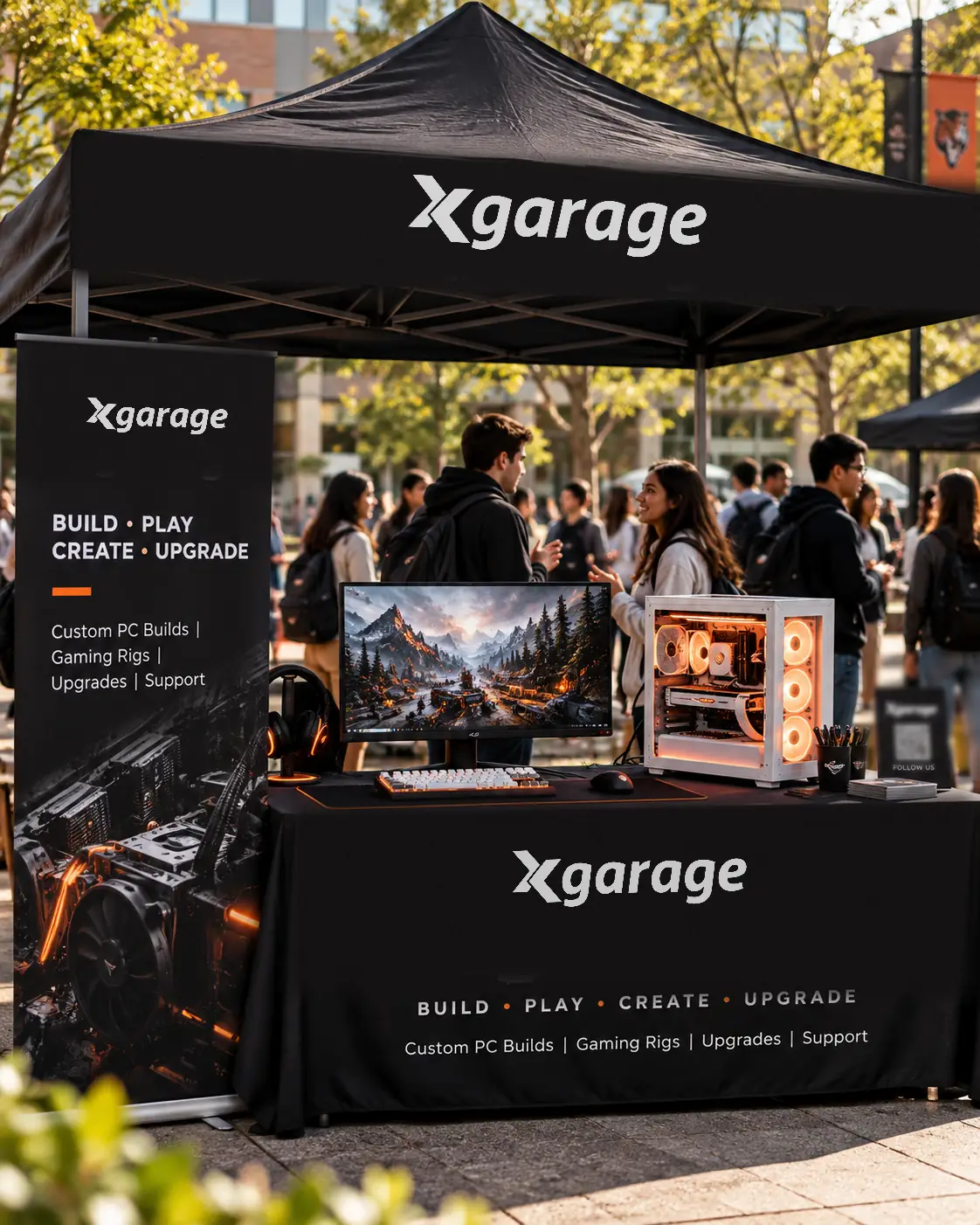
    XGarage campus campaign concept: a pop-up with the wordmark on the gazebo, banner and table
    Campus pop-up.
    XGarage campaign concept: a roll-up banner for custom PC builds beside a gaming PC
    Roll-up banner.

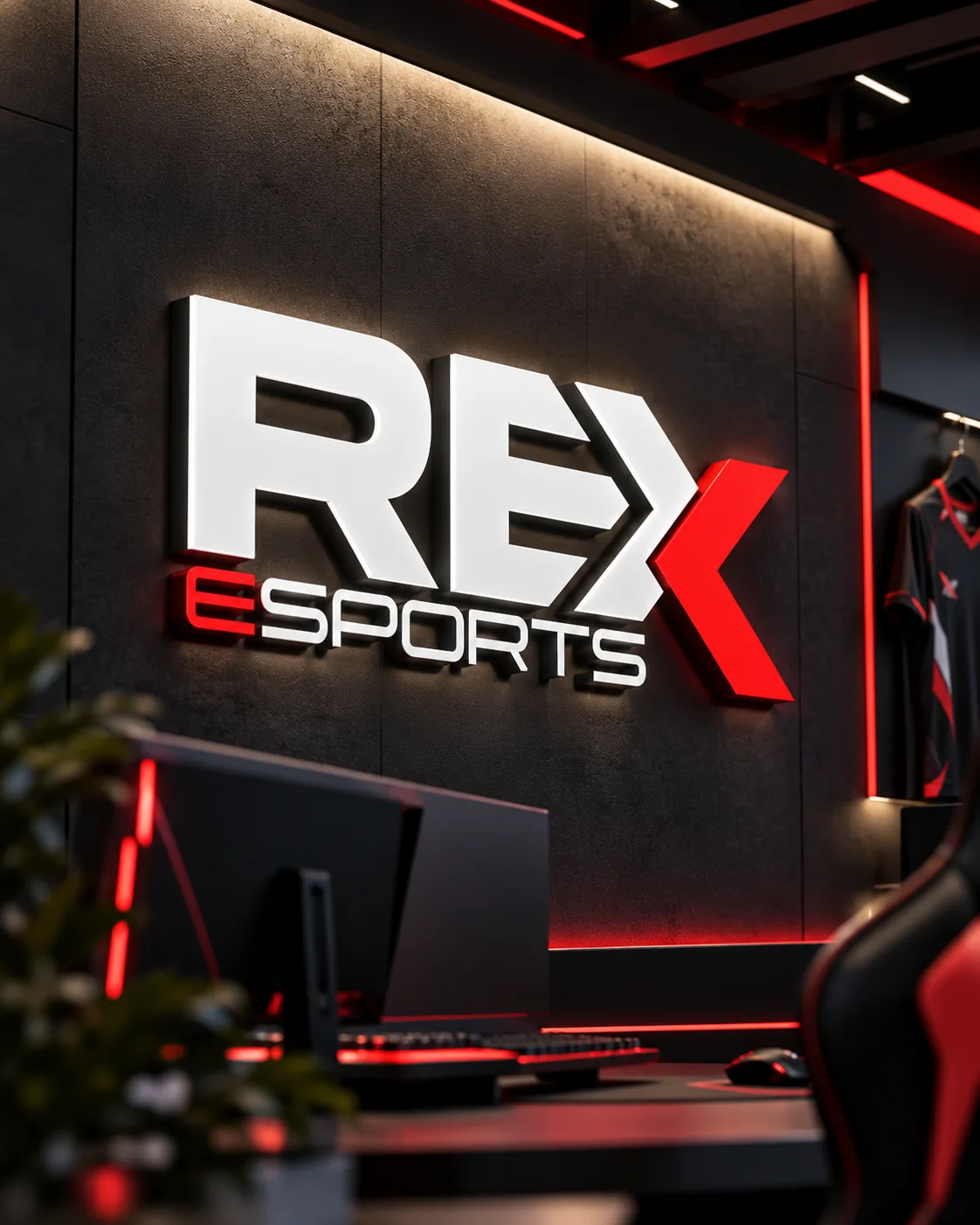
02REX Esports · Kallada Gardens

Brand visualisation.

The briefEach finished identity shown where it will live, so it can be judged at the scale people meet it.

  1. Creative direction

    A lit wall for an esports brand; a stone entrance among plants for a garden estate.

  2. Visualisation

    Each mark reproduced exactly as delivered.

    The REX Esports logo lit on a dark wall
    REX Esports.
    The Kallada Gardens logo on a garden entrance wall
    Kallada Gardens.

Studio exploration

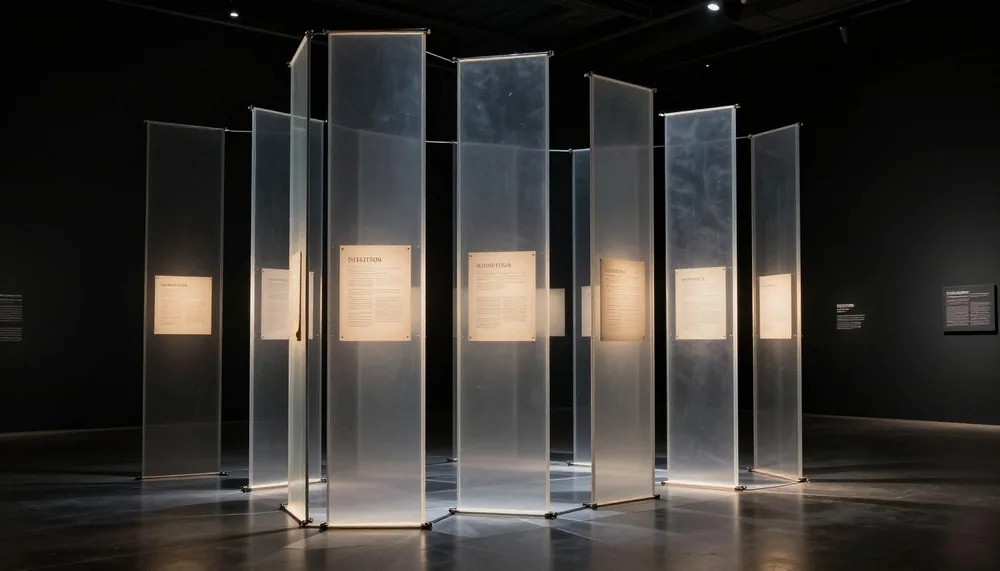
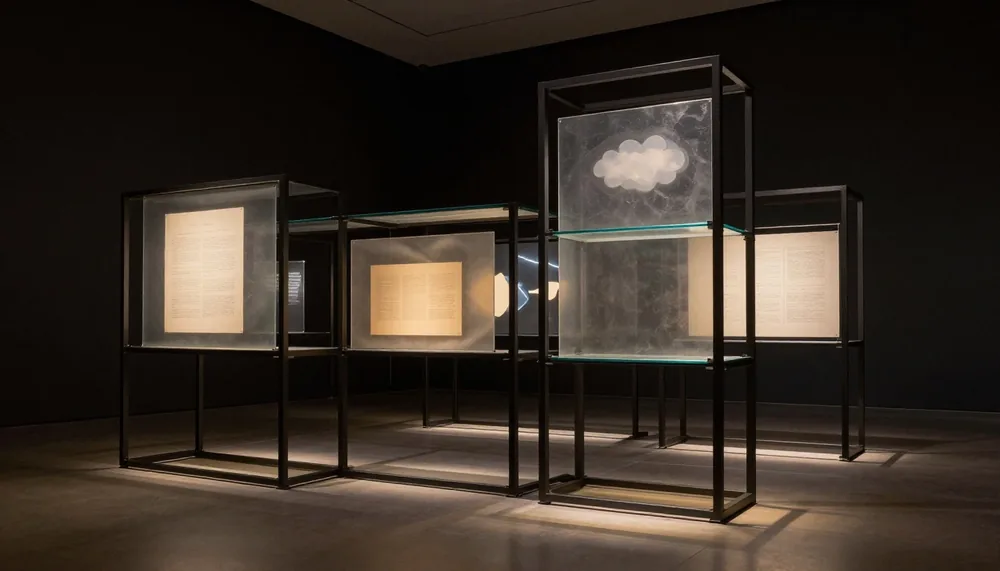
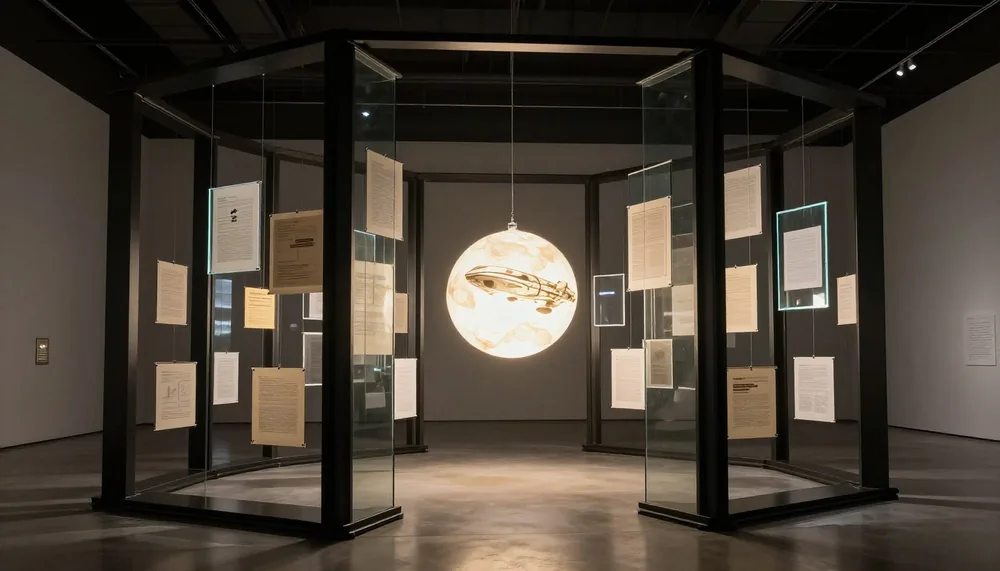
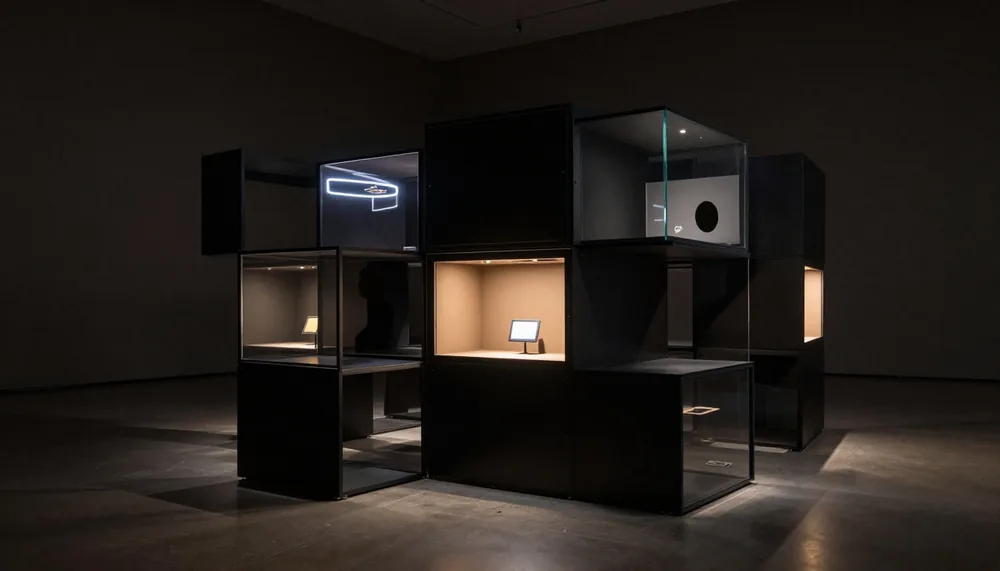
Twelve directions, three territories.

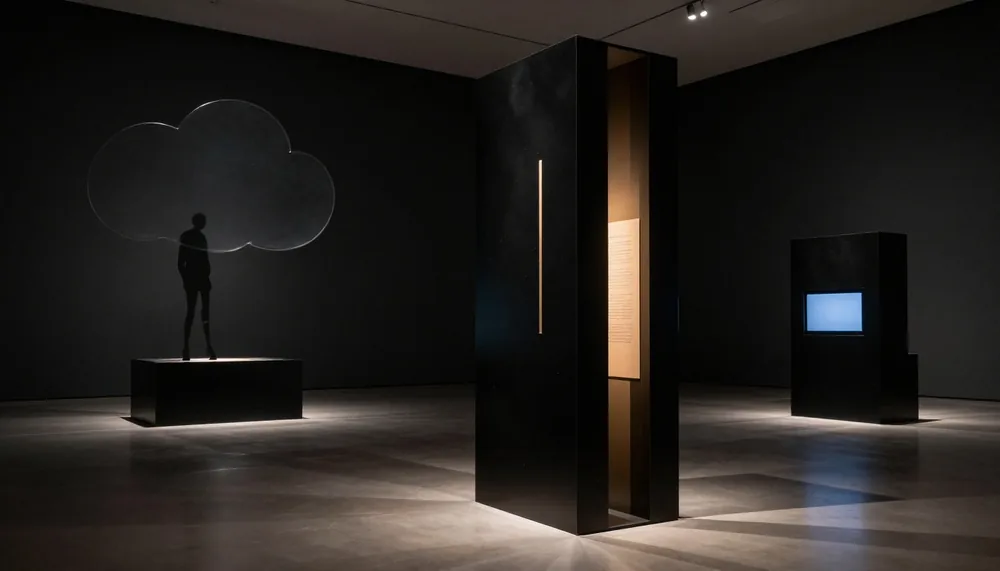
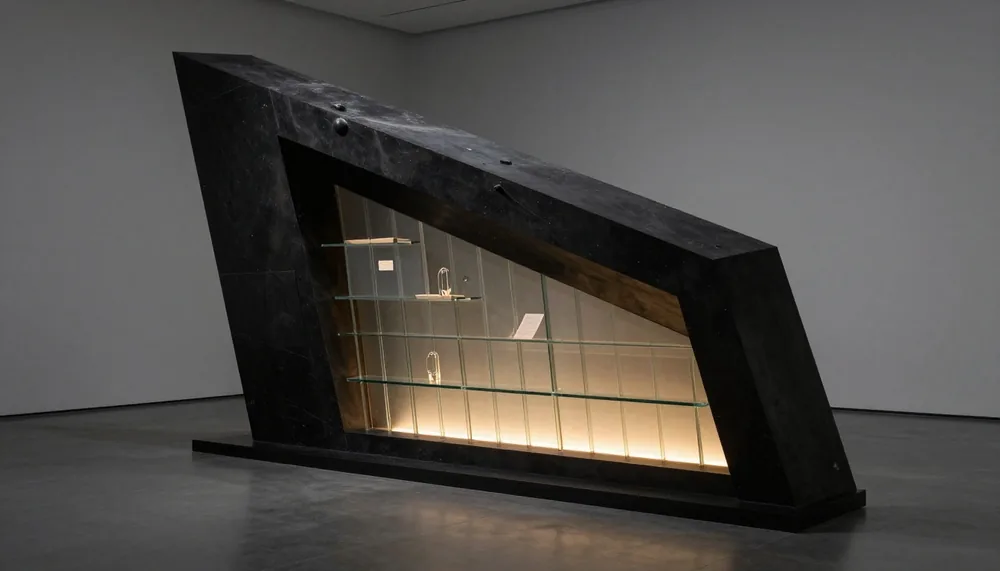
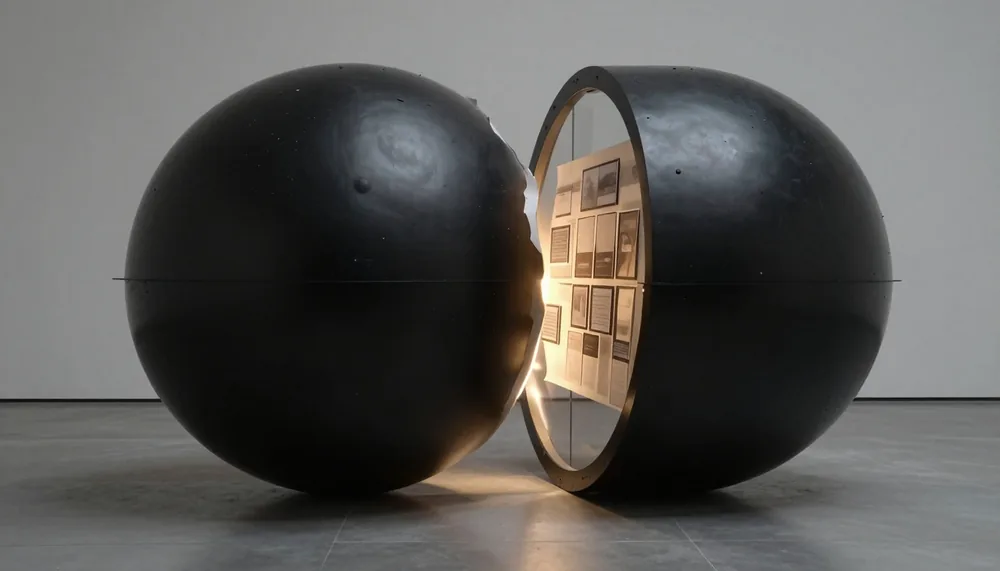
A centrepiece for the studio itself: one brief, explored three different ways before one was chosen.

Monolith

A single architectural object that holds the work.

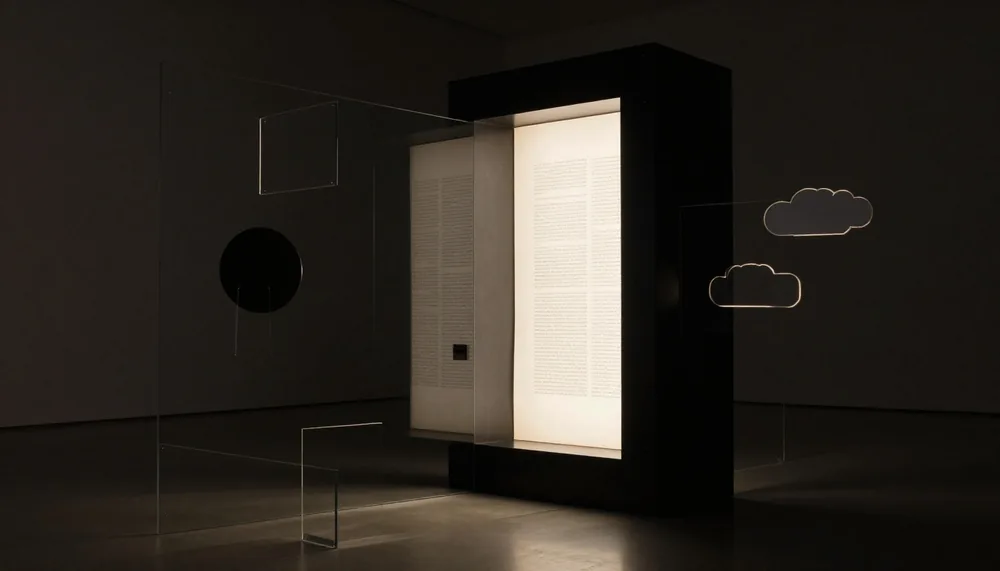
  • Monolith exploration 1: a dark sculptural object in a gallery
  • Monolith exploration 2: a dark sculptural object in a gallery
  • Monolith exploration 3: a dark sculptural object in a gallery
  • Monolith exploration 4: a dark sculptural object in a gallery

Fold

Surfaces that bend, so the work is revealed, not displayed.

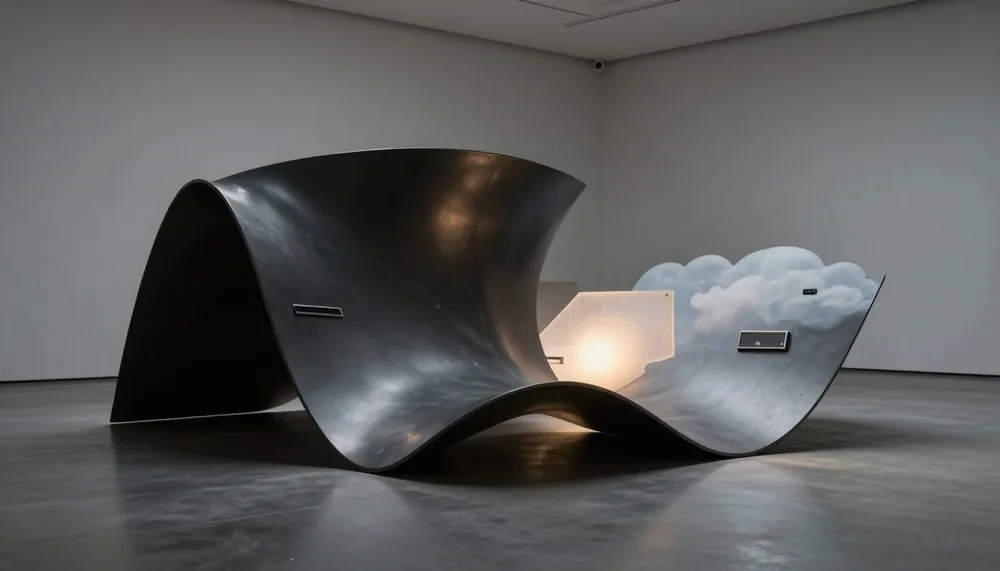
  • Fold exploration 5: folded panels and glass in a dark gallery
  • Fold exploration 6: folded panels and glass in a dark gallery
  • Fold exploration 7: folded panels and glass in a dark gallery
  • Fold exploration 8: folded panels and glass in a dark gallery

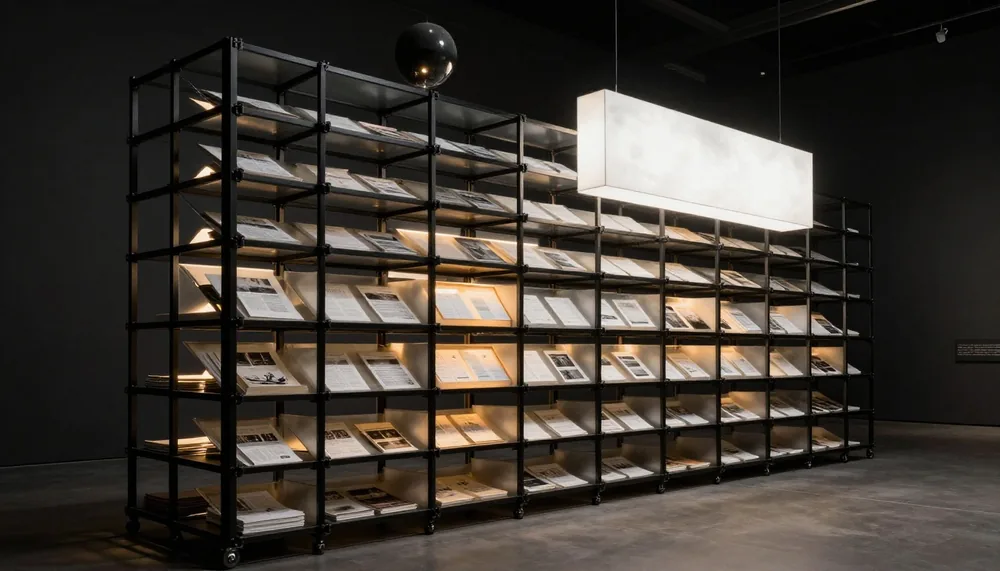
Archive

A system of frames: the work as a library.

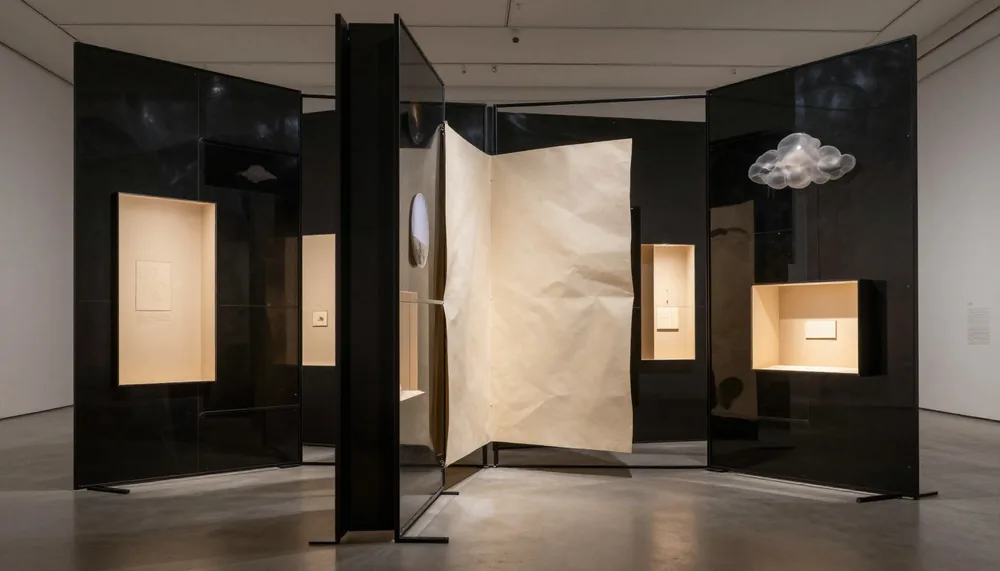
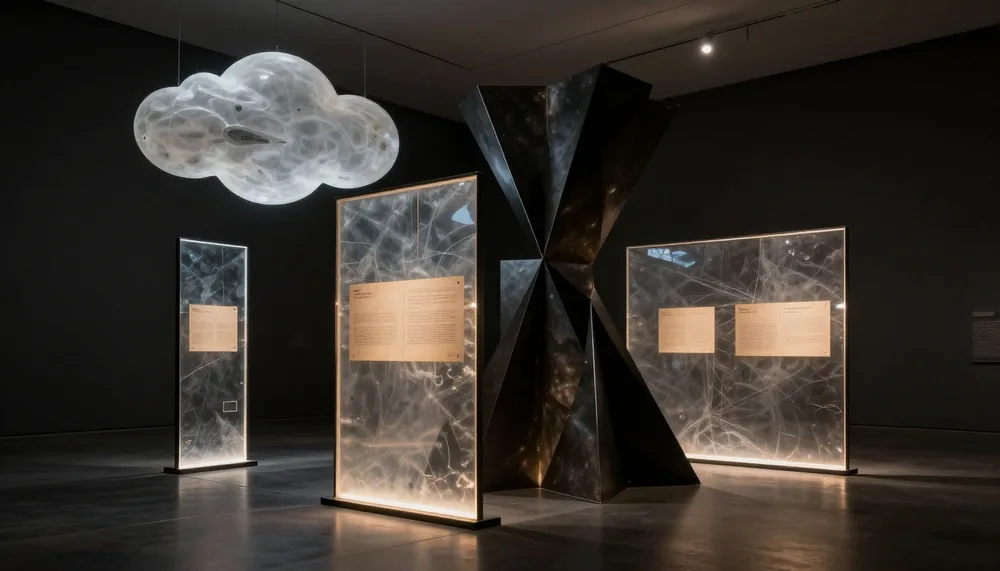
  • Archive exploration 9: black frames and vitrines in a gallery
  • Archive exploration 10: black frames and vitrines in a gallery
  • Archive exploration 11: black frames and vitrines in a gallery
  • Archive exploration 12: black frames and vitrines in a gallery

Range is the easy part. Deciding what deserves to exist, and why, is the work.

Human direction

People brief it. People choose it.

We use AI where it earns its place, and we do not sell autonomous production. Every AI-assisted piece is briefed, directed, selected and finished by people, and we are open about where AI was used.

  • Concept development and creative prototyping
  • Visual production, finished by designers
  • AI video, voice and format adaptation

Who it is for

Brands that want range without losing themselves.

AI-assisted work suits brands with clear rules, where the risk is too few ideas rather than too many.

  • A brand that needs more range

    You want to see many directions for a campaign, a key visual or a product story before committing budget to one of them.

  • A team that needs more output

    The brand is set, and the number of formats, sizes and adaptations has outgrown the people who make them.

  • A founder testing an idea

    You need a prototype, a pitch visual or a concept film to judge an idea, or to show it to others, before building it properly.

  • A business wary of AI

    You want to know honestly where AI helps your brand and where it would cost trust. Sometimes the answer is that it does not help.

Signs you need it

When one or two directions are not enough.

  • Concept rounds take so long that only one or two directions are ever explored.
  • You need visuals to judge an idea before it is built.
  • Every format change means remaking the same asset by hand.
  • You have tried AI tools and the results did not look like your brand.
  • You want video or voice for many formats without a full production for each.
  • You need to be clear with customers about where AI was used.

How it runs

Range first. Judgment throughout.

Each stage ends with a review, so nothing reaches the next stage, or the public, without a person deciding it should.

  1. Brief

    What the work is for, who will see it and what the brand must never look like. We agree at the start where AI will be used, and where it will not.

  2. Exploration

    Many directions, quickly, so the choice is made from real range rather than from the first idea that arrived.

  3. Direction

    People choose. We narrow the exploration to the direction that fits the brand, and explain why the others were set aside.

  4. Production and finishing

    Designers finish every piece, check it against the brand’s own logo files and rules, and correct what the tools get wrong.

  5. Review and delivery

    Final files, with the places AI was used made clear and every concept labelled as a concept.

What you receive

What AI-assisted work can include.

Scoped to the brief. AI is used only where it serves the idea.

DeliverableWhat it is for
Concept developmentShows a real range of directions before one is chosen.
Creative prototypingLets you judge an idea, or present it, before it is built.
Visual productionKey visuals and imagery, finished by designers to the brand’s rules.
AI video and voiceMotion and voice for formats that would not justify a full shoot.
Format adaptationTakes one approved asset across sizes and platforms without remaking it by hand.
Brand visualisationShows a finished identity in place, at the scale people will meet it.

Proof

XGarage: an identity stretched into a campaign.

  • A gaming and PC-hardware retail brand: identity, ecommerce store, social media and video ads.
  • A historical project.
  • The campus pop-up and roll-up banner on this page are campaign concepts, not photographs of a real event.
  • Every concept was art-directed to XGarage’s own master logo and its black, white and orange.

In short

AI-assisted creative production.

AI creative covers concept exploration, key visuals, product imagery, prototypes and AI video, directed and finished by the studio. Every piece is reviewed by people before it ships, and generated imagery is never presented as a client’s real products or premises.

Questions

AI, asked plainly.

How does Pixnut use AI in creative work?

For range, not for judgment. AI lets us prototype concepts, show an identity in place, hold a character consistent across frames, adapt content and support video and voice production, so we can try many more directions before choosing one. What ships is still chosen by a person and checked against the brand.

Does Pixnut present AI-generated images as real?

No. AI-generated imagery is never presented as a client’s real products, premises or results. Where AI helps show an idea, such as an identity in place, it is a concept, and it is checked against the brand’s own logo files and rules before anyone sees it.

Will you tell us where AI was used?

Yes. We are open about where AI was used in a piece of work, and concepts are labelled as concepts.

Is AI right for every project?

No. Some briefs are better made by hand, and some brands should not use generated imagery at all. Tell us the brief and we will tell you honestly whether AI helps.

Can AI keep a character or an identity consistent?

It can help, with care. We work from the brand’s own files and review every frame, and anything that drifts from the character or the identity is corrected or discarded.

Who owns work made with AI?

Ownership and usage rights in client work are set by the agreement for the project, as for any other work. If ownership of AI-assisted material matters to you, tell us at the start so it can be addressed in that agreement.

Can you adapt our existing assets with AI?

Yes, where it serves the work. One approved asset can be taken across sizes and platforms, and a designer checks every adaptation against the brand’s rules before it is delivered.

Do you sell fully automated content?

No. We do not sell autonomous production. Every AI-assisted piece is briefed, directed, selected and finished by people.

Curious what AI could do for your brand?

Tell us the brief. We will tell you honestly whether AI helps.